Curriculum
English
Skills learnt in English are essential for life. They allow you to communicate ideas verbally and in writing, both of which are essential for the world of work.
In Key Stage 3 we focus on the core skills of reading, writing, speaking and listening.
- Reading - we focus on improving comprehension skills, as well as accuracy, by teaching pupils the art of predicting, clarifying, questioning, and summarising.
- Writing - we develop skills around tone and style, the art of rhetoric, being creative, essay writing and using figurative language.
- Speaking and Listening - we practise using a variety of vocabulary and build confidence by holding discussions.
Pupils will study a variety of age appropriate texts, from a range of genres.


In Key Stage 4 pupils can work towards GCSE English Language and Literature or Functional Skills (depending upon a pupils pathway).
- GCSE English Language is examination only. Pupils will study transactional and creative writing, and both fiction and non-fiction reading and comprehension.
- GCSE English Literature is examination only. Pupils will study a Shakespeare play, some 19th Century prose, 20th Century prose/drama, and poetry; both seen and unseen.
- Speaking and Listening is a compulsory element of GCSE English Language, however this can be completed in a variety of very individual ways. Pupils may complete speeches, answer questions or make presentations about their areas of interest.
- Functional Skills covers reading, writing and speaking and listening, but has more of an essential skills focus. This curriculum also has ongoing assessment, which is criteria based, with a small formal assessment at the end of the course. Functional Skills can be covered at Entry Level, or Level 1/2.
Maths
Maths is essential to everyday life, critical to science, technology and engineering, and necessary for financial literacy and most forms of employment.
In Key Stage 3 we follow the National Curriculum, focusing on pupils developing fluency, being able to reason mathematically and problem solve.
There are six key topic areas covered:
- Number
- Algebra
- Ratio, proportion and rates of change
- Geometry and measures
- Probability
- Statistics


In Key Stage 4 pupils can work towards GCSE Mathematics or Functional Skills (depending upon a pupils pathway).
- GCSE Mathematics is examination only, with three papers, two allow the use of a calculator, and one is without. Pupils will study number, algebra, ratio, proportion and rates of change, geometry and measures, probability and statistics. Pupils will also be taught how to use a scientific calculator.
- Functional Skills maths is a practical work-related qualification focused on applying mathematical skills to everyday life, work, and education. Unlike a traditional GCSE, it emphasises real world scenarios and equips pupils with the numeracy skills needed for tasks like budgeting, reading timetables, and interpreting data. Functional Skills can be covered at Entry Level, or Level 1/2.

Science
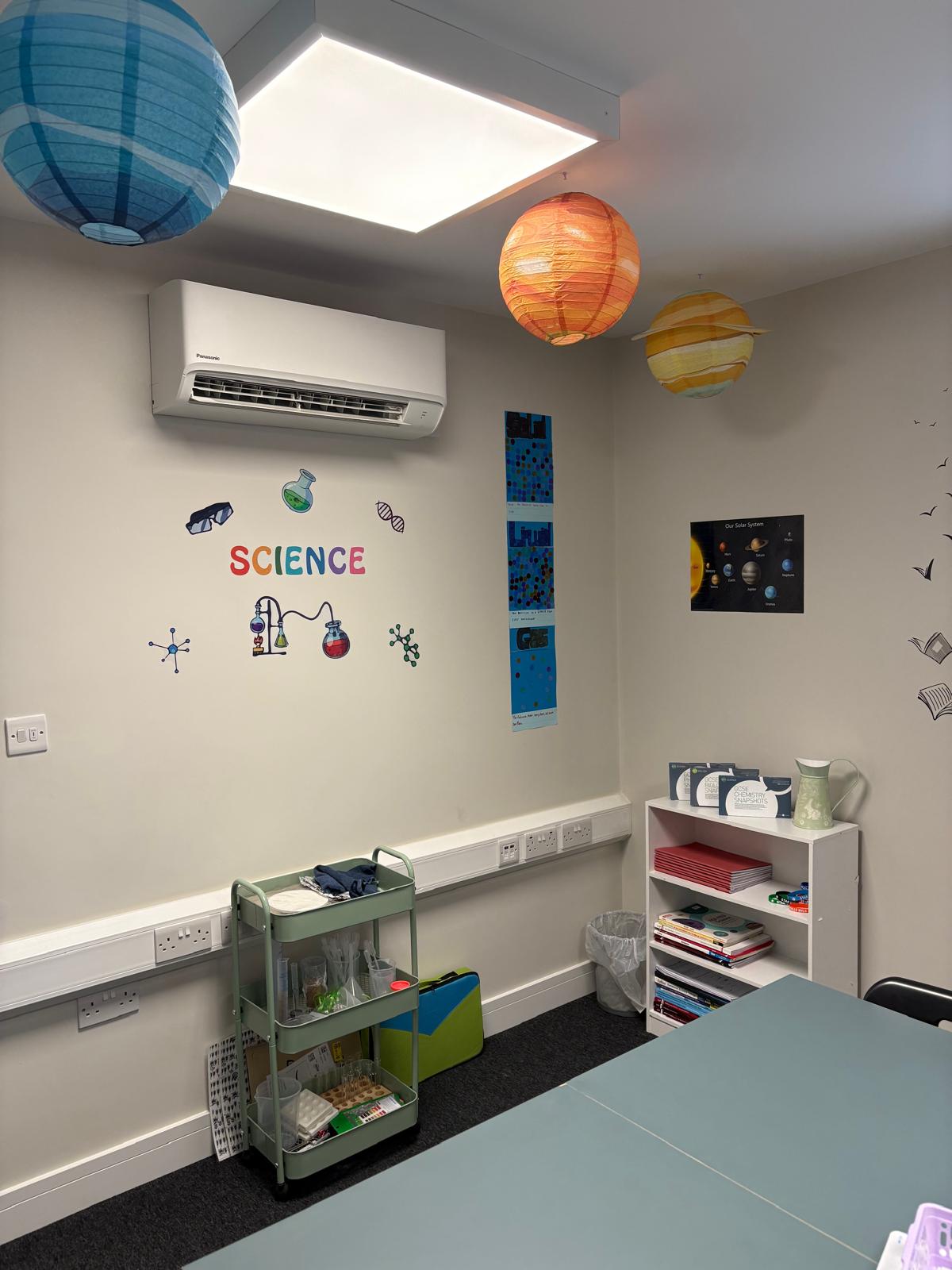
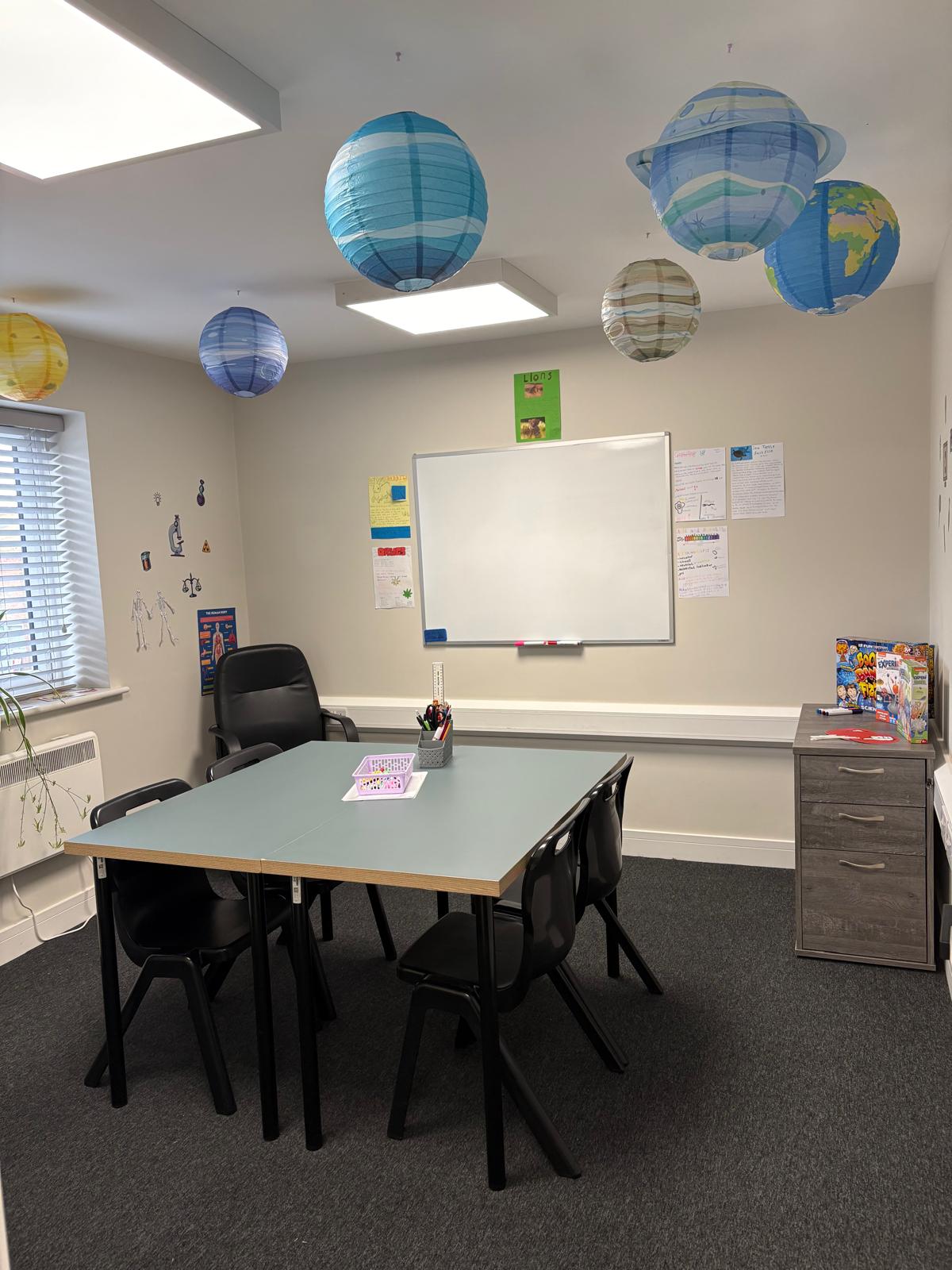
Science is important because it helps us understand the world and make better decisions. It builds critical thinking and drives advances in health, technology, and the environment.
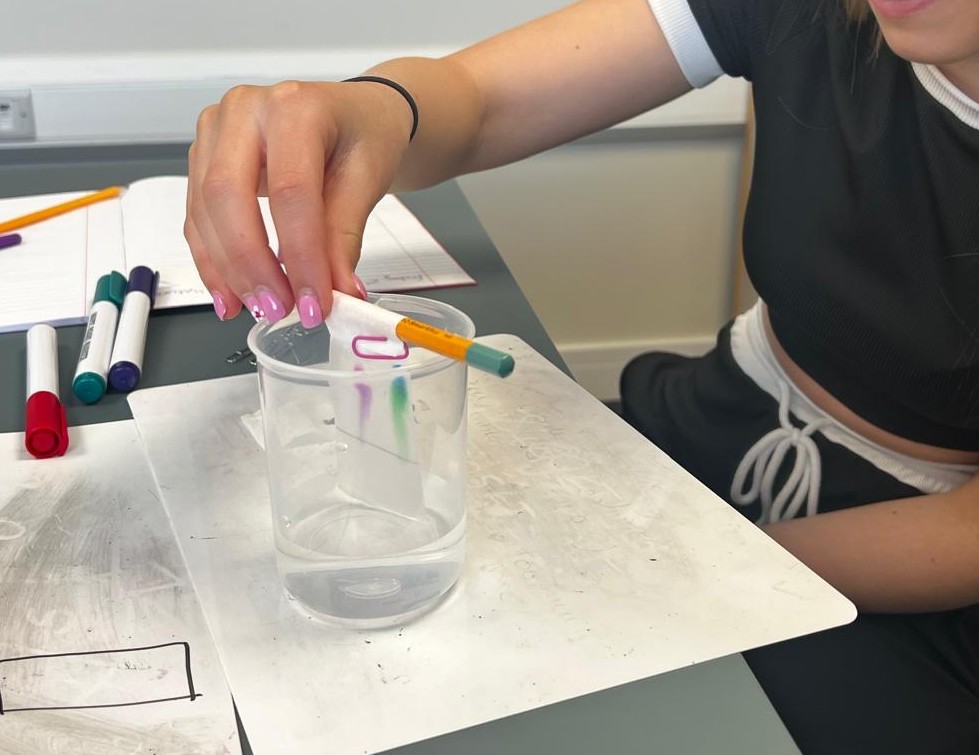
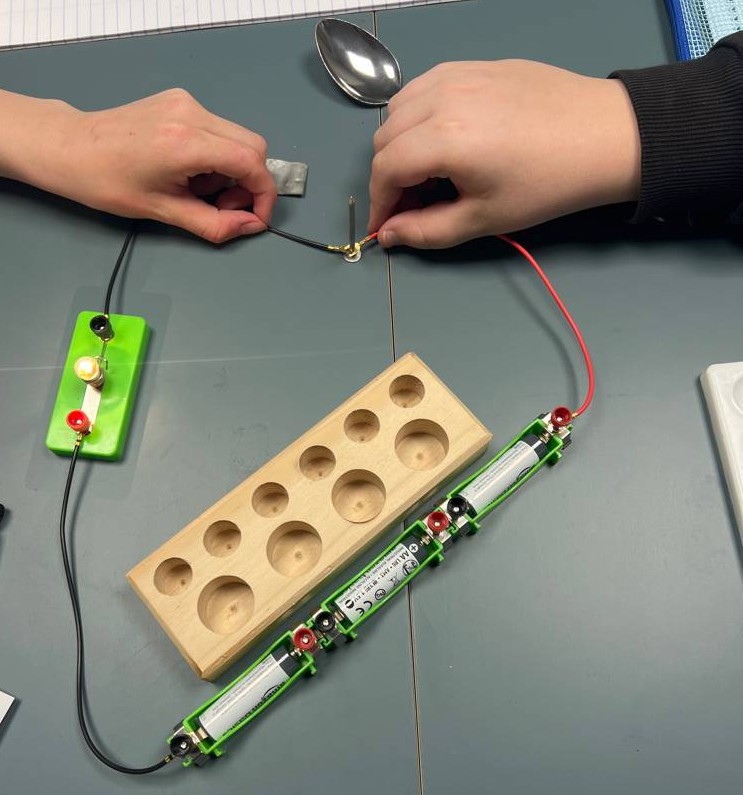
In Key Stage 3 we follow the National Curriculum, focusing on pupils building fundamental key knowledge in Biology, Chemistry and Physics, as well as develop investigative and problem solving skills.
There are four key areas covered:
- Working scientifically - pupils develop experimental and investigative skills, analysis and evaluation
- Biology - pupils study the structure and function of living organisms, material cycles and energy, interactions and interdependencies, and genetics and evolution
- Chemistry - pupils explore the particulate nature of matter, atoms, elements and compounds, pure and impure substances, chemical reactions, energetics, the Periodic table, materials, and Earthand the atmosphere
- Physics - pupils are taught about energy, forces and motion, waves, electricity and electromagnetism, and matter


In Key Stage 4 pupils can work towards GCSE Triple or Trilogy Science or an Entry Level Certificate (depending upon a pupils pathway).
- GCSE Triple Science is examination only, with six papers in total if studying all three sciences (Biology, Chemistry and Physics) in depth. Pupils can just study one or two of the sciences also with this option.
- GCSE Trilogy Science is examination only, with six papers in total is studying all three sciences (Biology, Chemistry and Physics).
- Entry Level Certificate is a combination of externally set assignments consisting of short written tests, and teacher derived assignments, consisting of short pieces of practical work. Both the tests and assignments cover all three science disciplines.


